How St John Medical Alarms Offer Peace of Mind for Seniors in New Zealand
When my father turned 78, he started skipping his morning walks. Not because his knees hurt more than usual, but because the thought of falling and lying there for hours terrified him. He lived alone in a quiet Christchurch suburb, and the nearest neighbour worked 9 to 5. We tried the usual solutions, a cordless phone in every room, a whistle on a lanyard, but none of them solved the core problem: if he couldn't reach a phone, he couldn't call for help.
That's when I started looking into personal medical alarms seriously. What I found surprised me. The market in New Zealand has matured a lot in the last decade, and options like st john medical alarms have become practical tools for everyday independence. They aren't just gadgets for the very frail. They are for anyone who wants to stay in their own home longer, without making their family worry every time the phone rings a little late.
What Makes a Medical Alarm Different From a Smartphone
A smartphone can call 111, sure. But a medical alarm is built around a different set of assumptions. It assumes you might not be able to reach the phone, that you might not be able to speak clearly, and that the person who answers needs to know your exact location and medical history right away. That is the gap st john medical alarms fill. They sit around your neck or on your wrist, always within reach, and connect you to a response centre staffed by trained operators who have your details on file before you even say a word.

I remember testing one with my father. He pressed the button, and within seconds a calm voice came through the speaker. "Hello John, how can we help you?" The operator already knew his name, his address, and the fact that he had a history of low blood pressure. My father looked at me and said, "That's better than having you on speed dial." He wasn't wrong.
Choosing Between a Landline Alarm and a Mobile Alarm
Not all medical alarms are the same. The most basic models connect through your home landline. They work well if you spend most of your time indoors and have a reliable phone line. But if you garden, walk to the shops, or visit friends, a landline alarm becomes useless the moment you step out the gate. That is where mobile alarms with GPS come in. They use cellular networks to track your location and can alert the response centre even if you are far from home.
There is also the question of fall detection. Many modern alarms include an accelerometer that detects sudden impacts. If the device senses a fall and you don't respond within a certain time, it automatically calls for help. This feature is not perfect, it can trigger false alarms from dropping the device or sudden movements, but for someone who lives alone, it is a safety net that a smartphone simply cannot provide. The trade-off is battery life. Fall detection and GPS use more power, so you need to charge the device more often, usually every few days.
How Response Centres Handle an Alert
The real value of a medical alarm is not the hardware. It is what happens after you press the button. In New Zealand, most providers operate their own response centres or contract with a dedicated service. When an alert comes in, the operator tries to talk to you through the speaker. If you are conscious and can speak, they assess the situation. Maybe you just need a friend called, or a locksmith. If you are unconscious or cannot respond, they dispatch emergency services immediately.
This is where having a service that knows your medical history matters. My father has a heart condition, and the operator had that on file. If he pressed the button and couldn't speak, they would tell the paramedics exactly what to expect. That kind of detail can save critical minutes. It also means the operator can stay on the line with you until help arrives, which is a comfort that a simple phone call cannot match.

Battery Life, Range, and Practical Considerations
If you are considering st john medical alarms for yourself or a family member, there are a few practical checks worth doing. First, look at the range. Some alarms only work within 50 metres of the base unit. Others, especially those with cellular connectivity, work anywhere there is mobile coverage. Second, ask about battery life. A pendant that needs charging every night might be forgotten or left unplugged. A device that lasts a week or more between charges is easier to maintain. Third, check the waterproof rating. If you fall in the shower, and that is a common scenario, the alarm needs to work when wet.
- Waterproof rating: Look for IP67 or higher to ensure it survives a shower or rain.
- Fall detection sensitivity: Some devices let you adjust the sensitivity to reduce false alarms.
- GPS accuracy: In rural areas, not all alarms lock onto satellites quickly. Test the device in the places you actually go.
These details might seem small, but they determine whether the alarm becomes a trusted companion or a forgotten trinket in a drawer. I have seen both outcomes. The difference is usually in how well the device fits the person's actual daily life, not the spec sheet.
The Emotional Side of Wearing an Alarm
There is a stigma that comes with wearing a medical alarm. Some seniors feel it marks them as frail or dependent. That is a real barrier, and it is worth acknowledging. But the way I see it, an alarm is no different from wearing glasses or using a walking stick. It is a tool that lets you keep doing what you love, with less risk. My father wears his pendant under his shirt. No one sees it, but he knows it is there. That small piece of plastic has let him keep his morning walks, his gardening, and his independence. He still forgets to charge it sometimes, but that is a minor problem compared to lying on the floor for hours.
If you are the adult child of an ageing parent, talk to them about the fear behind the resistance. Often it is not about the device itself. It is about admitting that things have changed. An honest conversation, maybe over a cup of tea, can go a long way. Frame the alarm as a way to stay in control, not a surrender. Because that is what it really is.
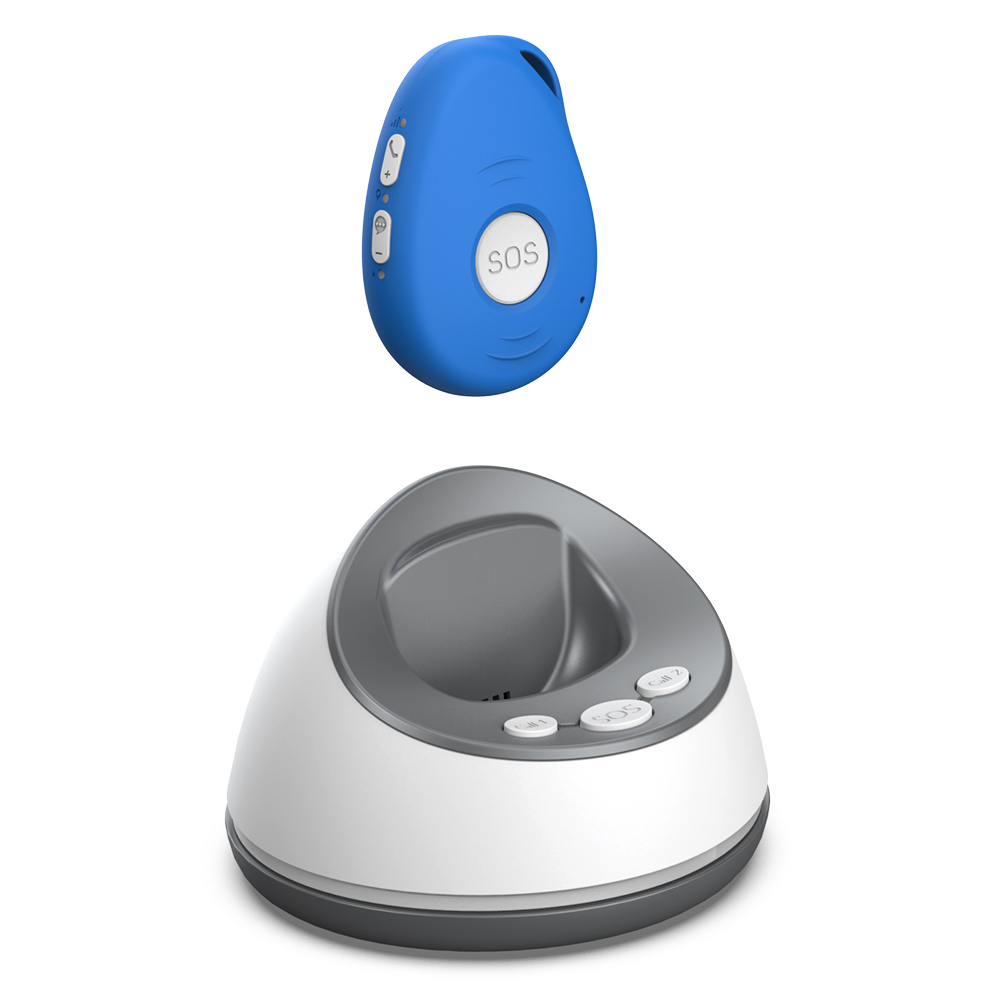
Familyr, based at 14 Grand View Road, Remuera, Auckland 1050, offers personal medical alarms for seniors in New Zealand with SOS, GPS, fall detection, and family-monitored two-way calling, and you can reach them at +64 9 872 0345 for a straightforward conversation about what might suit your situation.
Connect with us on YouTube.